
Trusted Movers for Nocatee, FL Residents

Trusted Movers for Nocatee, FL Residents: Comprehensive Moving and Storage Solutions
Moving within or from Nocatee, FL requires local knowledge, logistics planning, and reliable crews who understand master-planned community rules and neighborhood access. This article explains what residents of Nocatee and St. Johns County should expect during a move, including how professional moving and storage services work, common cost drivers, and practical local tips to reduce stress and cost. You will learn about service types (local, long-distance, commercial), storage and packing options, typical pricing influences, and how to request a transparent, no-obligation quote tailored to Nocatee moves. The guide also outlines trust signals to look for in a mover and interprets review themes that indicate consistent performance. Read on for actionable checklists, comparison tables, and clear next steps that help you plan a smooth relocation in Nocatee, whether you’re moving across town or out of state.
Why Choose Skinner Moving & Storage as Your Trusted Nocatee Movers?
Choosing a mover for Nocatee means prioritizing teams that combine local logistics knowledge with transparent pricing and insured operations to protect your household goods. Skinner Moving & Storage positions itself as a Jacksonville-based moving company serving Nocatee and St. Johns County, offering full-service moving and storage with an emphasis on customer-centered coordination and clear estimates. Core value propositions focus on experienced crews, dedicated move coordination, and policies that emphasize safety and transparent fees rather than surprise charges. For residents comparing options, those three elements—experience, coordination, and transparent pricing—are strong predictors of a low-stress move. Below is a concise list of the key trust signals to look for when vetting movers in Nocatee.
- Experience and Trust: Established operational teams with collective experience and verified customer feedback.
- Customer-Centric Coordination: Dedicated move coordinators who manage timelines, logistics, and special requests.
- Transparency and Protection: Clear pricing models, licensed and insured crews, and straightforward add-on pricing.
- Affordability and Discounts: Eligibility programs for seniors, military members, and first responders that reduce cost burden.
These trust points prepare you to assess bids and minimize surprises on moving day; next we’ll explore the specific experience metrics and customer-process elements that back those claims.
What Experience and Trust Do We Bring to Nocatee Moves?
Experience in moving combines crew skill, verified customer feedback, and procedural safeguards that reduce damage risk and scheduling errors. Skinner Moving & Storage reports a team with many combined years of experience and a strong set of verified reviews that reflect consistent handling of residential and commercial relocations; those elements improve predictability on move day. Practical experience translates into efficient packing techniques, accurate inventorying, and safe handling of specialty items such as pianos and white-glove deliveries. Review patterns that emphasize punctuality and care typically indicate effective training and quality controls. Understanding these experience metrics helps you evaluate whether a mover can run your Nocatee move smoothly, and sets up the next topic of how a customer-centric process reduces stress during every phase of the relocation.
How Does Our Customer-Centric Approach Benefit Nocatee Residents?

A customer-centric moving process assigns a move coordinator to plan every phase, which reduces miscommunication and streamlines timing, permitting, and community access for Nocatee moves. The coordinator serves as a single point of contact to schedule crews, confirm inventory, and manage special packing or storage needs—minimizing ad hoc decisions on moving day. Discounts for seniors, military, and first responders add financial value while flexible scheduling accommodates HOA or gated-community rules typical in master-planned areas. Customers who follow a coordinator-led timeline experience fewer delays and clearer billing, which in turn lowers stress and helps crews deliver on time. With planning handled, the operational focus naturally shifts to selecting the right service package for your move, which we cover next.
What Comprehensive Moving Services Are Available for Nocatee Residents?
Comprehensive moving services cover the full lifecycle of a relocation: planning, packing, transport, delivery, and optional storage or disposal. For Nocatee residents, common offerings include local moves, long-distance transport, commercial and office relocations, piano and specialty-item handling, full or partial packing, white-glove delivery, senior moves, apartment moves, and junk removal. Each service targets different use-cases—local moves prioritize speed and neighborhood access, long-distance moves emphasize secure transport and inventory, and commercial moves focus on minimal downtime. Below is a comparison table to help match service types to typical duration, team size, and recommended use-cases so you can choose the right package for your needs.
This comparison clarifies which service fits your scenario and prepares you to request a tailored quote. Next, we’ll break down how local moving services are tailored specifically for Nocatee neighborhoods and master-planned community logistics.
How Do Our Local Moving Services Cater to Nocatee and St. Johns County?
Local moving services emphasize neighborhood familiarity, precise scheduling to comply with HOA or Town Center access rules, and efficient team sizing to match household volume. Crews assigned to Nocatee moves typically plan routes that avoid peak traffic near community hubs and reserve loading zones when possible to speed loading and unloading. Local moves are often priced hourly with transparent add-ons for stairs, elevators, and specialty handling; this model rewards preparation such as disassembly and labeling. For Nocatee residents, local moves commonly include apartment-to-house relocations, short cross-town transfers, and last-mile deliveries from storage units. Knowing these local logistics ensures your move coordinator can plan permits, parking passes, and precise time windows to reduce delays.
What Should You Know About Long Distance Moving from Nocatee?
Long-distance moves require coordination across pickup, consolidation, transit, and delivery phases, with an emphasis on inventory accuracy and valuation protection. The process typically begins with a detailed estimate and inventory, proceeds through professional packing and secure loading, continues with monitored transport, and ends with scheduled delivery and placement in the destination home. For Nocatee residents planning interstate moves, expect discussions about transit timelines, insurance or valuation options, and potential storage-on-route if schedules don’t align. Clear documentation—an itemized inventory and condition notes—reduces disputes and speeds claims resolution if necessary. Understanding these steps helps you choose services that prioritize secure transit and predictable delivery windows.
How Can Nocatee Residents Benefit from Our Storage and Packing Solutions?
Storage and packing services bridge gaps between move dates, renovations, and staging needs while protecting items through professional materials and secure facilities. Packing tiers range from fragile-only to full-service packing with labeled boxes and inventory, while storage options can accommodate short-term staging needs or longer-term household storage. Secure storage solutions typically include monitored access and unit size options to match household volume; climate control is sometimes available for delicate items. Below is a table comparing common storage unit types and packing options so residents can match capacity and protection level to their situation.
This comparison clarifies trade-offs between cost, accessibility, and item protection, enabling you to choose the best storage or packing tier for your needs. Next we’ll summarize specific storage features and then describe packing packages available to Nocatee residents.
What Secure Storage Options Do We Offer for Nocatee Residents?
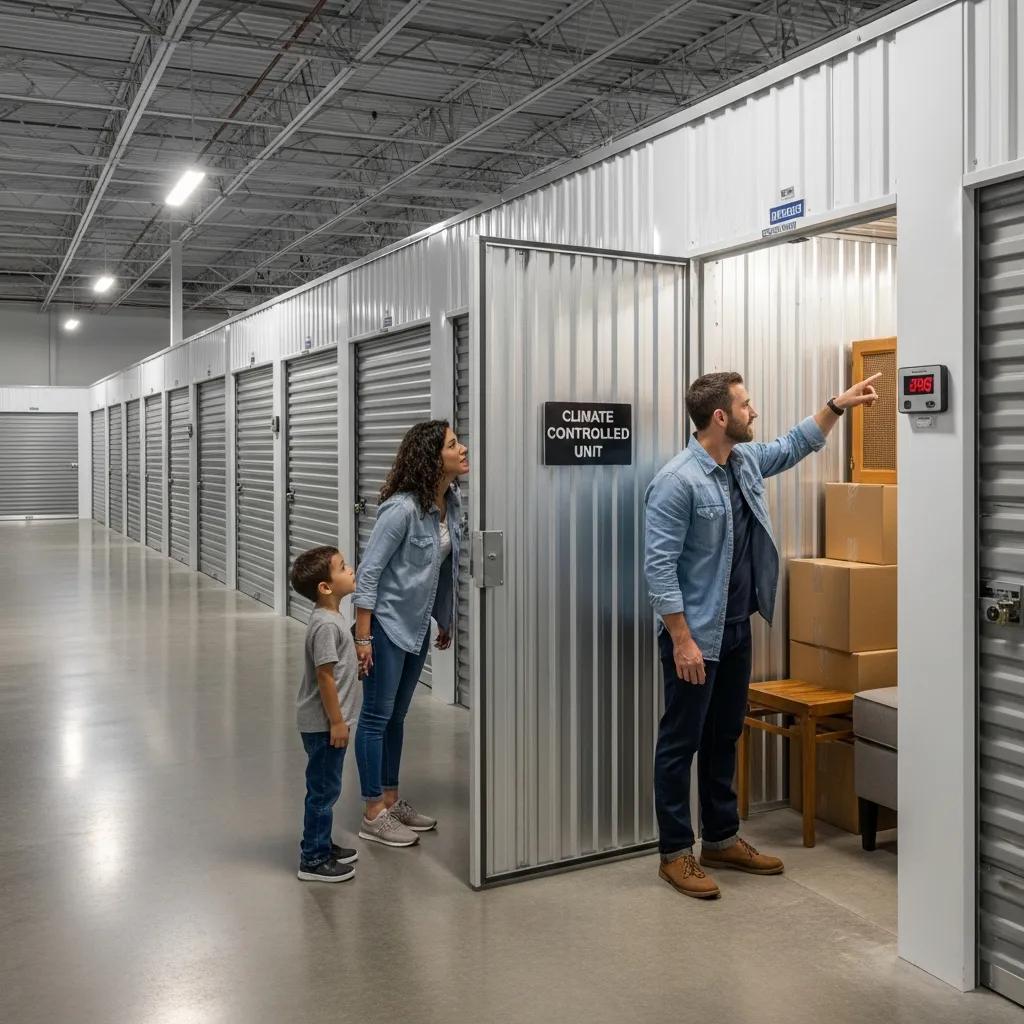
Secure storage options balance accessibility, protection, and cost to serve moving families who need flexible timelines or extra space during transitions. Typical features include gated access, monitored facilities, and unit sizes ranging from small lockers to large garage-sized spaces; climate-controlled units are recommended for temperature-sensitive items. Short-term units work well for staging and gap periods, while long-term rentals accommodate extended storage needs during relocation or downsizing. For residents storing specialty items—musical instruments, antiques, or electronics—choosing climate control and documented access logs reduces deterioration risk. Selecting the right unit size and protection level ensures stored belongings remain ready for delivery or final placement.
What Professional Packing and Unpacking Services Are Available in Nocatee?
Professional packing services are offered in graduated tiers: partial packing for fragile items, full-pack services for entire households, and white-glove handling for high-value or specialty pieces. Each tier includes professional-grade packing materials, protective padding, and systematic labeling to expedite unpacking and inventory reconciliation. Unpacking services can be scheduled to set up essential areas first—kitchen, bedroom, and bathroom—so daily routines resume quickly after delivery. For delicate items like pianos or fine art, specialty crating and white-glove delivery minimize risk during handling and transport. Clear labeling and organized unpack workflows reduce time spent settling in and connect directly to lower labor hours on delivery day.
What Are the Typical Moving Costs and How Can Nocatee Residents Get a Free Quote?
Moving costs depend on a set of predictable factors—volume, distance, labor, and additional services—and transparent movers separate base fees from optional add-ons for clarity. Local moves usually use hourly rates that reflect team size and job duration; long-distance moves often use flat or weight-based pricing plus fuel and tolls. Add-ons such as packing, storage, specialty-item handling, and expedited scheduling raise the total. Below is a direct list of cost drivers frequently used to produce an initial range and the typical actions residents can take to control price. After that list, you’ll find an EAV table summarizing the impact of each factor on cost estimates.
- Volume and Household Size: More items require more labor and larger trucks.
- Distance and Transit Time: Longer routes increase fuel, driver time, and logistics fees.
- Additional Services: Packing, storage, specialty-item moves, and disposal add cost.
- Timing and Scheduling: Peak-season dates and short-notice moves command higher rates.
This table clarifies how each dimension changes estimates and where you can save by reducing volume, avoiding peak dates, or handling some packing yourself. Next we’ll explain how to request a transparent quote with the information movers need to produce an accurate estimate.
Which Factors Influence Moving Costs in Nocatee, FL?
Key cost drivers for Nocatee moves include household volume, access constraints common in a master-planned community, specialty-item handling, and the date of the move. Volume determines crew size and truck capacity, while access constraints—narrow streets, reserved loading zones, or HOA parking rules—can add time and labor. Specialty items like pianos or white-glove deliveries require specialized equipment and skilled crews, which increases cost. Timing a move outside peak season and preparing items in advance (disassembly, packing) are practical ways to reduce labor hours and overall cost. Understanding these factors helps you make choices that balance convenience and budget.
How Can You Request a Transparent, No-Obligation Moving Quote?
Requesting a clear, no-obligation quote involves providing essential details and choosing the estimate method that fits your schedule: phone, virtual walkthrough, or on-site survey. Start by collecting basic information: move date window, origin and destination (or neighborhood for local moves), inventory size or approximate number of rooms, and any specialty items or services needed. A virtual estimate uses video or photos to approximate volume and identify access issues, while an on-site survey provides the most accurate written estimate. Expect an itemized estimate showing base fees, service add-ons, and insurance/valuation options; response times vary but many providers return estimates within 24–48 hours. If you prefer a human-assisted quote, you can call the company phone to arrange a virtual or on-site estimate and get personalized guidance.
If you want to move forward after receiving a quote, have your preferred dates and any membership or discount eligibility (for seniors, military, or first responders) ready to finalize scheduling and possible savings.
What Do Nocatee Residents Say About Skinner Moving & Storage?
Customer feedback often reveals operational strengths such as punctuality, careful handling, and clear communication—traits that matter greatly for moves in master-planned communities. Aggregated reviews for reputable moving services typically highlight repeatable practices: consistent crew quality, effective problem-solving on-site, and transparent billing that matches the initial estimate. For Skinner Moving & Storage, review themes reported include punctual crews, careful furniture handling, and responsive coordinators; these patterns indicate reliable operational processes that translate to stress-free moves for Nocatee residents. Below we list where to find verified feedback and then interpret review themes to show how they reflect company practices.
Where Can You Find Verified Customer Reviews and Testimonials?
Verified reviews and testimonials are commonly hosted on national and local review platforms as well as dedicated review pages where customers leave ratings and detailed accounts of their move experiences. When evaluating reviews, focus on detailed accounts that reference timeliness, care of belongings, and how the company handled unexpected issues during transit or on delivery. Consistent mention of a dedicated move coordinator, for example, suggests reliable communication protocols, while repeated praise for handling specialty items indicates proper training. Reading multiple reviews across platforms gives a balanced view of strengths and identifies any recurring concerns to ask about during your estimate.
How Do Our Reviews Reflect Our Commitment to Stress-Free Moves?
Patterns in customer reviews often reveal the underlying processes that produced positive experiences: detailed pre-move planning reduces surprises, standardized packing practices protect fragile items, and responsive coordination resolves scheduling conflicts quickly. When multiple reviews emphasize punctuality and careful handling, those themes correlate with training programs, checklist-driven workflows, and proactive communication—all operational practices that reduce moving-day stress. Reviews that highlight clear billing and few unexpected charges suggest transparent pricing models and careful quote construction. Recognizing these thematic connections enables you to prioritize service features that most directly influence a low-stress move for your household.
What Essential Tips and Local Insights Should Nocatee Residents Know When Moving?
Local insights for Nocatee moves include HOA and Town Center access rules, parking and loading logistics, and timing considerations for master-planned community traffic patterns. Preparing for a move in Nocatee often means coordinating with community management for approved loading zones, understanding gate access procedures, and scheduling outside peak neighborhood activity windows. A targeted pre-move checklist reduces surprises: confirm utility transfers, notify HOA or management, reserve parking/loading spaces, and prepare a prioritized box list for essentials. Below is a practical checklist and then local neighborhood notes to help your move-day run smoothly.
Which Nocatee Neighborhoods and Community Features Should Movers Know?
Nocatee’s community layout includes centralized hubs and residential neighborhoods with specific access patterns, parking constraints, and peak traffic times around community amenities. Movers should note areas with limited curb space, gated entries that require prearranged access, and Town Center activity that can affect arrival times. Scheduling a loading window that avoids school pickup or community events reduces delays and lowers labor hours. Communicating these constraints to your move coordinator ensures crews arrive with the right equipment and permits, minimizing on-site downtime and speeding the overall move process.
What Are Key Moving Tips and Resources for a Smooth Nocatee Relocation?
An actionable pre-move checklist keeps tasks organized and reduces last-minute issues that increase cost and stress during a Nocatee relocation. Start by transferring utilities with confirmed dates, notifying HOA or community management about move logistics, labeling essential boxes for immediate access, and confirming parking/loading arrangements for movers. Secure permits or guest passes as required, and prepare a moving-day essentials kit with documents, medication, and immediate necessities. Contacting utility providers and community managers early avoids common scheduling conflicts and ensures a coordinated move day that aligns with community rules and local traffic patterns.
- Arrange HOA or gated-community access and reserve loading zones in advance.
- Transfer utilities and set service start dates before move-in.
- Label boxes by room and prepare a clear essentials box for immediate use.
Following these steps reduces surprises and helps crews focus on efficient loading and placement, leading directly into the packing and storage decisions that support a timely move.