How to Pack a Storage Unit Efficiently: Best Practices for Organized and Secure Storage
Packing a storage unit efficiently reduces damage, saves space, and makes retrieving items faster, and this guide shows how to achieve all three outcomes through planning, the right supplies, and proven packing techniques. You will learn a step-by-step planning checklist, which packing supplies and containers work best, item-specific protection methods, space-maximizing layout ideas, and long-term precautions for a humid climate like Jacksonville. Efficient packing is about systems: declutter first, create an inventory that maps to your unit layout, choose stackable containers, and protect sensitive items with climate-aware strategies to prevent mold and pest damage. The benefits are tangible—less time searching, lower replacement costs, and fewer damage claims—so the effort up front yields easier moves and safer storage. This article covers essential planning steps, supplies compared in quick-reference tables, packing methods for furniture and fragile items, layout strategies that use vertical space and walkways, and climate-focused long-term tips that reduce humidity risk. Throughout, practical lists, EAV-style comparison tables, and concise checklists make it simple to act and to decide whether to handle packing yourself or to enlist professional help.
What Are the Essential Steps to Plan Your Storage Unit Packing Strategy?
A clear packing plan starts with assessing what to store, estimating the right unit size, and scheduling packing and transport to avoid wasted time and space. Planning reduces redundancy and clarifies whether items need climate protection or specialized handling, which preserves value and lowers long-term costs. A structured plan also creates the foundation for an inventory system and labeling scheme that speeds retrieval and supports insurance claims if needed. Follow the checklist below to convert uncertainty into an actionable packing timeline that aligns with your move or storage horizon.
Essential planning checklist (use this as your how-to roadmap):
Assess belongings and sort into keep, donate/sell, or discard piles to reduce what goes into storage.
Create a room-by-room inventory with box numbers and photos to track contents and condition.
Measure large furniture and estimate unit size, leaving space for a 3-foot aisle for access.
Schedule packing days and reserve a unit early; factor in transport and unloading time.
Decide between DIY packing or hiring professional packing services for fragile or specialty items.
Prepare the unit by checking for cleanliness, pest signs, and confirming climate control if needed.
This checklist turns abstract decisions into discrete actions you can schedule immediately. If you prefer expert support during planning or want a free, no-obligation quote to compare professional packing versus DIY, Skinner Moving & Storage offers planning assistance and estimates to help you choose the right level of service quickly and transparently.
How Do You Declutter Before Packing a Storage Unit?
Decluttering before packing prevents storing unnecessary items and lowers storage costs while making future retrievals simpler. Begin by sorting belongings into four piles—keep, donate, sell, and dispose—so only essential or sentimental items move into storage. Prioritize removing perishables, hazardous materials, and items prone to pest attraction, because storage units are not appropriate for these goods and they can contaminate other stored items. Finish by measuring items you intend to store so you can choose appropriate containers and the correct unit size.
Effective decluttering often uncovers items you can monetize or donate, and reducing volume simplifies inventory creation and packing logistics. The next step is turning your reduced items into a mapped inventory so you always know where each box or piece of furniture is located in the unit.
Why Is Creating a Detailed Inventory Important for Storage Organization?
A detailed inventory serves three functions: it guides placement inside the unit, provides proof of condition for insurance claims, and speeds retrieval without unnecessary unpacking. Record box numbers, a short contents list, photos of high-value items, and the unit location (e.g., front-left, shelf 2) to map your inventory to a physical layout. Use a simple spreadsheet or a mobile inventory app to attach photos and timestamps; this digital record helps validate condition if damage occurs. Label each box with a unique ID that matches your inventory and note priority items you may need access to frequently.
Mapping inventory entries to a unit layout saves time when you need specific items and reduces the risk of shifting heavy items into positions that block access. With an inventory in place, the next step is choosing supplies and containers that match your organization and protection priorities.
Which Packing Supplies Are Best for Organizing a Self Storage Unit?
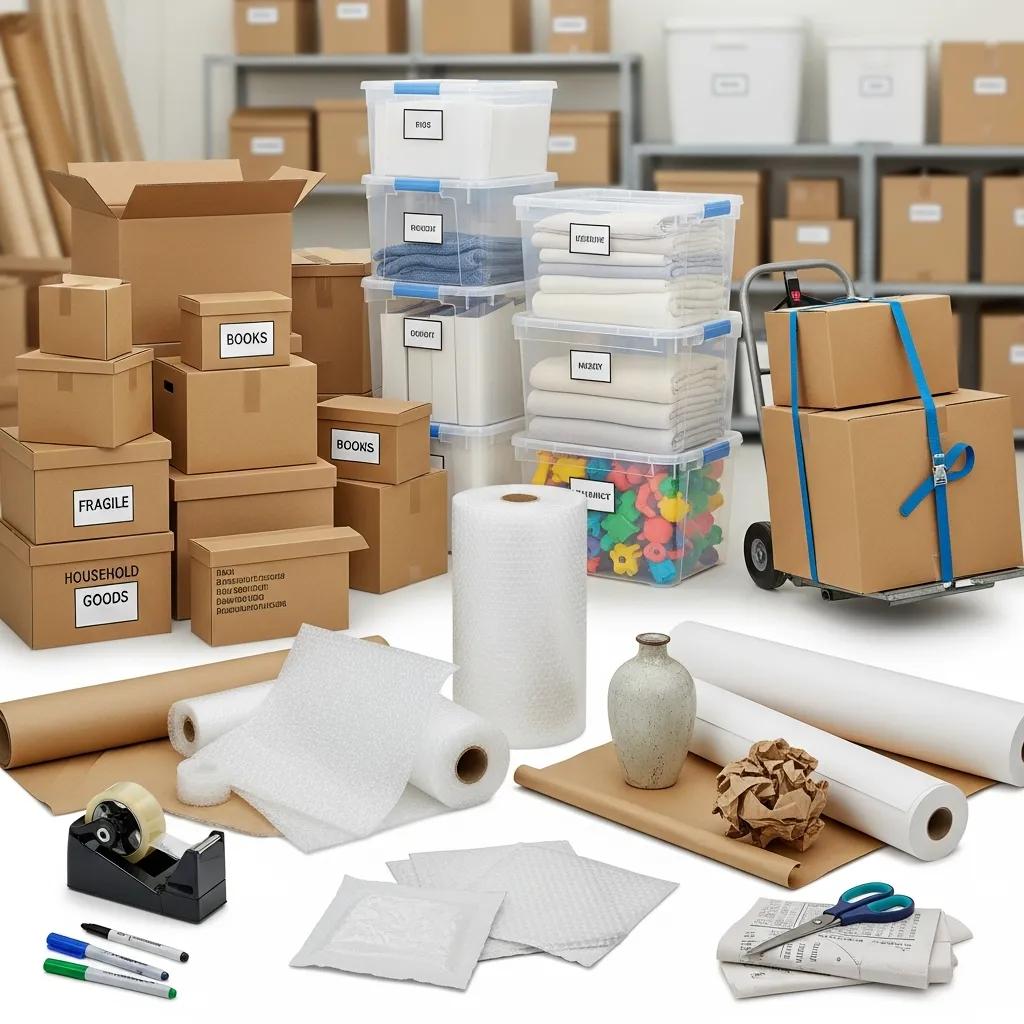
Choosing the right combination of boxes, bins, and protective materials determines both stacking efficiency and long-term preservation. Sturdy, uniform cardboard boxes maximize stackability and economy, while clear plastic bins protect from moisture and pests and allow quick visual checks of contents. Protective materials—bubble wrap, packing paper, mattress covers—and durable tape and labels are essential to prevent abrasion and to mark contents clearly. Shelving and pallets stabilize stacks, improve airflow, and elevate items off the floor to reduce moisture risk.
Top packing supplies and why they matter:
Uniform cardboard boxes: Provide efficient stacking and predictable load-bearing when packed consistently.
Clear plastic bins: Protect against humidity and pests while offering visual access to contents.
Wardrobe boxes: Keep hanging garments wrinkle-free and ready to use after storage.
Bubble wrap and packing paper: Cushion fragile items and prevent surface damage during stacking and moving.
Heavy-duty tape and multi-sided labels: Secure closures and create searchable box IDs tied to your inventory.
These items form a basic supply kit that suits most storage needs, and the next table compares common container types to help you choose.
Intro to container comparison table: Below is a compact comparison of common container types to guide selection based on durability, visibility, and stacking behavior.
Container Type
Best For
Notes / Stacking Guidance
Uniform cardboard boxes
General household goods
Stack evenly by size; avoid overloading to prevent collapse
Clear plastic bins
Textiles, seasonal items, papers
Seal lids; stack up to recommended manufacturer height
Wardrobe boxes
Hanging clothes
Keep garment bags in place; store vertically near front
Specialty appliance boxes
Large electronics/appliances
Use original boxes when possible; place on bottom or floor
Vacuum-seal bags
Bulky textiles (quilts, winter coats)
Save space but avoid over-compression for long-term storage
What Types of Boxes and Containers Should You Use?
Select containers based on durability, visibility, and how often you'll access contents; the right mix reduces handling and damage over time. Cardboard boxes are cost-effective and stackable, but they degrade with moisture, so use plastic bins for items sensitive to humidity or pests. Wardrobe boxes and tall containers preserve garments and tall items, while appliance-specific boxes and original packaging provide tailored protection for TVs, ovens, and refrigerators. Use pallets beneath boxes and place heavier items at the bottom to stabilize vertical stacks.
Choosing the container mix depends on the storage term and access needs: short-term, frequent-access storage favors clear bins and labeled boxes near the front, while long-term storage uses sealed containers and pallets to reduce humidity contact. The next subsection explains how protective materials and labeling techniques further improve storage efficiency.
How Do Protective Materials and Labeling Improve Storage Efficiency?
Protective wraps and systematic labeling reduce breakage and make retrieval faster by ensuring boxes are both secure and searchable within your inventory. Wrap fragile items individually with bubble wrap or packing paper, cushion box bottoms, and consider double-boxing particularly delicate items like glassware or electronics. Label every box on at least two sides with a unique identifier, contents summary, room, and priority level to match your inventory system. Color-coded labels or numbered tags speed lookups and allow helpers to place boxes in the correct zone of your unit.
When protective materials are combined with a standardized labeling system, you get both physical protection and an information layer that transforms a packed unit into an organized storage map. With supplies and protective methods covered, the next major focus is item-specific packing techniques for furniture, electronics, and fragile items.
How Can You Pack Different Items Safely and Effectively for Storage?
Packing different item categories requires distinct steps—furniture benefits from disassembly and padding, electronics need dryness and original packaging if possible, and fragile items require cushioning and secure box placement. The principle is consistent: clean and dry, disassemble where feasible, protect with appropriate materials, and store with accessibility in mind. Below is a compact EAV-style reference to guide item-specific packing actions and special considerations so you can scan and apply the right method quickly.
Intro to item-specific packing table: This table summarizes packing steps and special considerations for common item groups.
Item Type
Packing Steps
Special Considerations
Furniture
Disassemble, label hardware bags, wrap in furniture covers
Store heavy pieces on floor; use pallets for airflow
Electronics
Clean, remove batteries, wrap in anti-static or original boxes
Keep cords with devices; climate control recommended
Fragile items
Wrap individually, fill gaps with padding, double-box if needed
Mark boxes "Fragile" and place near front for careful access
Textiles & papers
Clean and dry, use sealed plastic bins
Avoid vacuum-seal for delicate heirlooms long-term
Appliances
Clean thoroughly, secure loose parts, store upright if required
Defrost refrigerators and ensure dry interiors before storage
This quick-reference table helps ensure each category receives the appropriate protection to minimize deterioration. Next, practical techniques for furniture disassembly and protection are detailed to reduce damage and simplify reassembly.
What Are the Best Techniques for Furniture Disassembly and Protection?
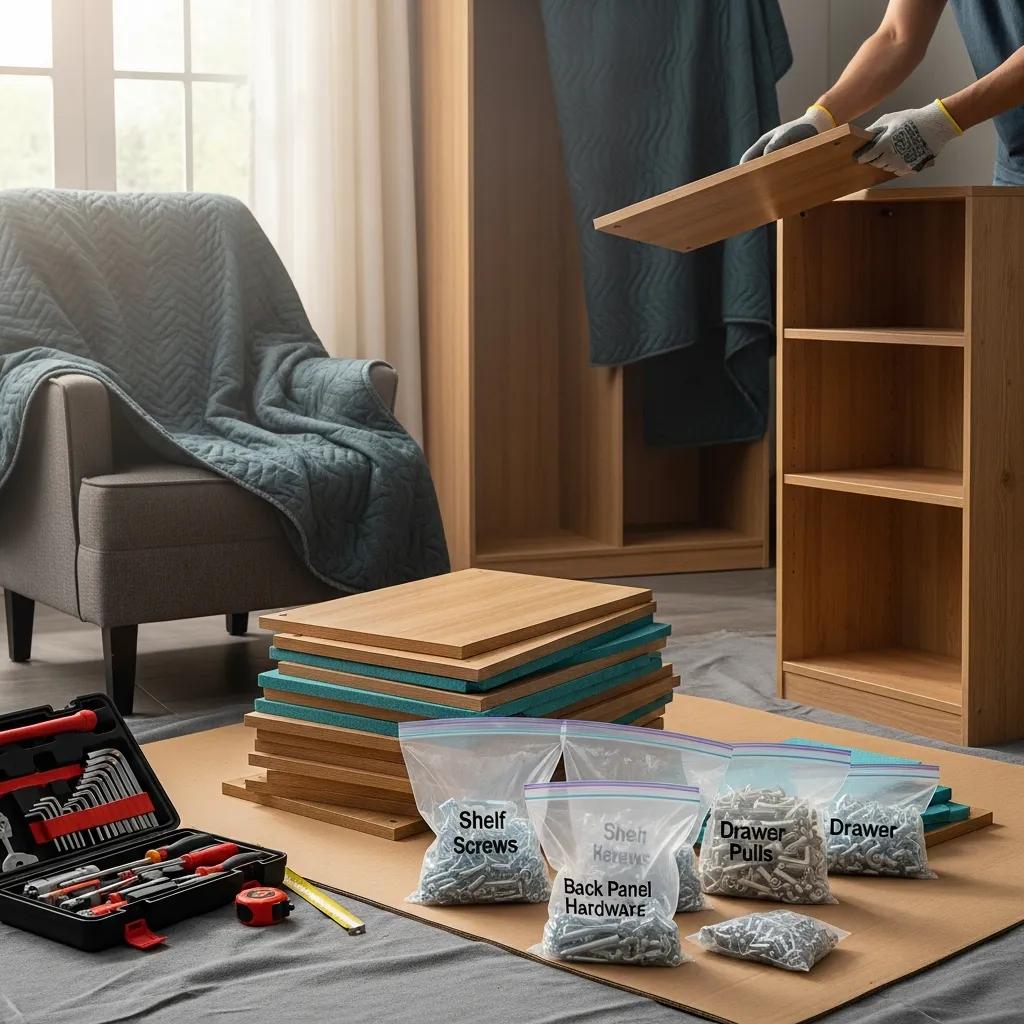
Disassembling furniture reduces footprint and prevents damage during transport and storage; proper labeling and protective covers prevent lost hardware and surface scratches. Start by removing legs, detachable shelves, and cushions, placing small parts in labeled zip-top bags taped to the matching furniture piece to keep hardware organized. Wrap wooden and upholstered surfaces in moving blankets or mattress bags to protect finishes, and use corner protectors for tables and mirrors. Store larger, heavier pieces upright on the floor or on pallets and place flat, sturdy items like table tops against the unit wall to avoid warping.
A methodical disassembly and protection process speeds both packing and later reassembly while preserving finishes and structural integrity. After furniture is handled, the next area of focus is packing fragile items, electronics, and valuables with care.
How Should Fragile Items, Electronics, and Valuables Be Packed?
Fragile and valuable items require layered protection and documentation to protect condition and support insurance or claims if damage occurs. Wrap each fragile item individually, use cushioning on all sides, and consider double-boxing for items like glassware or artwork; keep copies of receipts or photos inside the box and in your digital inventory. For electronics, remove batteries, secure cords in labeled bags, and store devices in original packaging when feasible to provide designed support. Keep high-value items off the floor and in sealed plastic bins or lockable containers, and document condition with photographs and descriptive notes in your inventory.
Layered protection plus documentation both reduces physical risk and creates records that facilitate recovery if damage occurs. With item-specific packing strategies addressed, the article next covers layout and organization tactics that maximize unit capacity and access.
What Are the Top Storage Unit Organization Ideas to Maximize Space?
Maximizing space in a storage unit comes down to disciplined stacking, creating walkways for access, and using shelving and furniture strategically to multiply usable volume. Start by leaving a central aisle of at least three feet to reach back stacks and to permit inspection; position frequently accessed items near the front and label their faces outward. Use uniform box sizes to stabilize stacks and avoid irregular pile-ups; heavier boxes should always go on the bottom with lighter boxes on top to prevent collapse. Shelving units free up floor space and allow you to create organized zones by room or priority, while pallets lift items off the concrete to reduce moisture contact.
Below are practical layout rules you can implement the day you load the unit.
Create a front-to-back flow: place frequently used boxes at the front and long-term items at the back.
Maintain a 3-foot aisle: this ensures safe access and inspection without shifting stacks.
Stack by weight and size: heavy items on bottom, uniform boxes for stability, and light items on top.
Use shelving and pallets: elevate boxes, stabilize stacks, and improve airflow to prevent moisture buildup.
These organization techniques increase usable space and reduce retrieval time while protecting items from damage. The following subsections explain how vertical stacking and shelving choices contribute to this efficiency and safety.
How Do Vertical Stacking and Creating Walkways Enhance Accessibility?
Vertical stacking increases capacity but requires strict rules to stay safe and accessible: heavier boxes at the bottom, consistent box sizes, and secure stacks to avoid collapse. Use pallets and shelving to prevent boxes from sitting directly on concrete and to add a stable base that improves airflow and reduces moisture risk. Leave at least a three-foot walkway down one side or the center so you can access boxes without unstacking, and position labeled faces outward to speed identification. If stacking higher than shoulder height, secure items with straps or keep them within reach to avoid unsafe lifting when retrieving.
Good stacking practices extend the life of stored items and make retrieval predictable, which reduces accidental damage when searching for specific boxes. With stacking and walkways planned, the next subsection highlights how shelving and furniture choices multiply space and add functionality.
What Role Do Shelving and Furniture Play in Storage Organization?
Shelving and the strategic use of furniture transform floor space into organized compartments that are easier to manage and access. Heavy-duty freestanding metal shelving is preferred for durability and load-bearing capacity; anchor shelving units when possible for stability and secure heavy items low on the unit. Repurpose dressers by leaving contents inside drawers for secure storage or use bookcases to hold bins and labeled boxes, creating an immediate inventory map. Disassembled furniture parts can tuck into corners while flat surfaces such as table tops are stored vertically to reduce footprint.
Proper shelving selection and furniture repurposing multiply the effective cubic storage of your unit while keeping frequently accessed items reachable and protected. Once organized, long-term preservation in a humid climate requires additional moisture and pest-prevention measures that follow.
What Are the Best Long Term Storage Packing Tips for Jacksonville Climate?
Jacksonville’s humid subtropical climate raises priority on moisture control, pest prevention, and the use of climate-controlled units for sensitive belongings; addressing these risks preserves wood, leather, paper, and electronics. Dry and thoroughly clean all items before storage to remove moisture and food residues that attract pests and foster mold; use desiccants and moisture absorbers inside sealed containers to mitigate relative humidity. Elevate items on pallets to allow airflow under and around stacks and avoid touching unit walls where condensation accumulates. Regular inspections—monthly during humid seasons—catch early signs of mold or pest activity and allow corrective action before damage spreads.
Mapping climate risks to preventive measures and facility features clarifies choices and highlights when professional storage facilities add value.
Individually alarmed units support controlled access and monitoring
Pest infestation
Use sealed plastic bins and inspect regularly
24/7 video surveillance and facility maintenance deter pests and unauthorized entry
Condensation on concrete
Elevate items on pallets to improve airflow
Pallet storage guidance and facility floor inspections
This table connects Jacksonville-specific risks to practical actions and to facility features that mitigate those risks. For customers who want added assurance, Skinner Moving & Storage offers climate-controlled units and security features that address these humidity and pest concerns directly.
Why Is Climate Control Crucial for Protecting Stored Items?
Climate control stabilizes temperature and humidity within a narrower range, reducing expansion and contraction cycles that warp wood, degrade leather, and accelerate paper and photographic decay. Electronics benefit from lower humidity which reduces corrosion risk on circuit boards, and artwork and antiques maintain structural and aesthetic integrity with climate-managed storage. Choosing a climate-controlled unit is particularly important for long-term storage of wooden furniture, leather goods, documents, and sensitive electronics. Combining climate control with proper packing—sealed bins, desiccants, and elevated storage—provides layered protection that extends the usable life of stored items.
Recognizing the protective value of climate control leads naturally to facility-level security and monitoring considerations that further reduce risk.
How Can You Prevent Mold, Mildew, and Pest Damage in Storage Units?
Prevent mold and pests by ensuring items are clean and bone-dry before packing, using sealed plastic containers for textiles and papers, placing desiccant packs in boxes, and elevating goods on pallets for airflow. Inspect your unit periodically, especially during warm months, to remove early signs of mildew and to catch pest activity before it escalates. Avoid storing items directly against the unit walls where condensation forms and use breathable covers for mattresses and upholstery to prevent trapped moisture. If you prefer a facility with added controls, combine these practices with a climate-controlled, monitored unit for the best long-term outcome.
With these long-term precautions in place, consider whether professional services that bundle packing and secure storage would simplify the process and provide additional safeguards.
Why Should You Choose Skinner Moving & Storage for Your Packing and Storage Needs?
Skinner Moving & Storage is a family-owned moving and storage company providing local customers a blend of packing expertise and secure storage options designed to protect belongings during short- and long-term storage. The company offers professional packing services—full, partial, and specialty packing—to handle everything from complete household moves to targeted protection for antiques and artwork, and provides transparent estimates so customers can compare DIY versus professional value.
Beyond personal storage and residential moves, Skinner Moving & Storage also provides specialized services for businesses. For companies needing efficient and secure relocation, their commercial movers offer tailored solutions to minimize downtime and ensure a smooth transition.
What Professional Packing Services Does Skinner Offer in Jacksonville?
Skinner offers full packing for entire households, partial packing for specific rooms or high-value categories, and specialty packing for fragile or unusual items, all delivered with transparent pricing and free estimates to help customers plan. Full packing is ideal when you want professionals to handle the entire inventory, reducing stress and ensuring consistent protection; partial packing targets high-risk items like glassware, electronics, or artwork when you prefer to pack the rest yourself. Specialty packing focuses on antiques and delicate pieces that need custom crating or specialized cushioning methods to preserve condition. Choosing a professional option can save time, reduce damage risk, and ensure materials and techniques meet storage and insurance requirements.
How Do Skinner’s Secure, Climate-Controlled Facilities Benefit Your Belongings?
Skinner’s facilities combine climate-controlled spaces with 24/7 video surveillance and individually alarmed units to address both environmental and security risks associated with long-term storage. Climate control reduces humidity-driven deterioration of wood, leather, paper, and electronics; surveillance deters theft and allows rapid response to incidents; individual alarms add a layer of access control and notification for unusual activity. When paired with professional packing—protective wraps, sealed containers, and inventory documentation—these facility features form a comprehensive protection strategy that minimizes loss, damage, and stress for customers storing items through seasonal humidity cycles. To check unit availability or request a personalized storage recommendation, call 904-730-1545 for a free estimate and expert guidance tailored to your storage needs.
Frequently Asked Questions
What should I consider when choosing a storage unit size?
When selecting a storage unit size, consider the volume and dimensions of your belongings. Start by measuring larger items like furniture and appliances to estimate the space needed. Additionally, think about how you plan to stack and organize items; leaving room for walkways and access is crucial. A good rule of thumb is to choose a unit that allows for at least a three-foot aisle for easy navigation. If in doubt, consult with storage professionals who can help you determine the right size based on your inventory.
How can I ensure my items remain safe from pests in storage?
To protect your belongings from pests, start by cleaning and thoroughly drying all items before packing. Use sealed plastic bins for textiles and papers, as these deter pests from accessing your items. Regularly inspect your storage unit, especially during warmer months, to catch any signs of pest activity early. Elevating items on pallets also helps improve airflow and reduces the risk of pest infestations. If you’re concerned about pests, consider using a facility with pest control measures in place for added security.
What are the benefits of using climate-controlled storage?
Climate-controlled storage units maintain a consistent temperature and humidity level, which is essential for preserving sensitive items like wood furniture, electronics, and artwork. This environment helps prevent damage from extreme temperature fluctuations, mold growth, and pest infestations. For long-term storage, especially in humid climates like Jacksonville, climate control is crucial to extend the life of your belongings. It also provides peace of mind, knowing that your items are protected from environmental factors that could lead to deterioration.
How often should I check on my storage unit?
It’s advisable to check on your storage unit at least once a month, especially during humid seasons. Regular inspections allow you to catch any potential issues, such as mold growth or pest activity, before they escalate. During these visits, ensure that your items are in good condition and that the unit remains clean and dry. If you notice any problems, address them immediately to prevent further damage. Keeping a log of your inspections can also help track any changes over time.
What packing materials are best for protecting fragile items?
To protect fragile items, use high-quality packing materials such as bubble wrap, packing paper, and sturdy boxes. Wrap each item individually with bubble wrap to cushion against impacts, and fill any gaps in boxes with packing peanuts or crumpled paper to prevent movement during transport. For particularly delicate items, consider double-boxing, where you place the wrapped item in a smaller box, then put that box into a larger one for added protection. Label these boxes as "Fragile" to ensure careful handling during storage and retrieval.
Can I store food items in a storage unit?
Storing food items in a storage unit is generally not recommended. Most storage facilities prohibit food storage due to the risk of attracting pests and creating odors. Perishable items can spoil and lead to mold growth, while non-perishable items may still attract insects or rodents. If you need to store food-related items, consider using airtight containers and check with your storage facility for their specific policies. It's best to keep food items at home or in a dedicated storage space designed for such items.
What are the advantages of hiring professional packing services?
Hiring professional packing services offers several advantages, including expertise in handling fragile and valuable items, which reduces the risk of damage during storage. Professionals use high-quality packing materials and techniques tailored to your belongings, ensuring optimal protection. Additionally, they can save you time and effort, allowing you to focus on other aspects of your move or storage needs. With transparent pricing and free estimates, you can easily compare the value of professional packing against a DIY approach to make an informed decision.
Conclusion
Packing a storage unit efficiently not only saves space but also protects your belongings and simplifies retrieval. By following the outlined strategies and utilizing the right supplies, you can ensure a well-organized and secure storage experience. For those seeking expert assistance, consider reaching out to Skinner Moving & Storage for tailored packing and storage solutions. Start your journey towards a stress-free storage experience today!