Long-Distance vs. Local Moving: Why the Preparation is Completely Different and How to Prepare Effectively
Moving across town and moving across state lines are both relocations, but they demand very different preparation, timelines, and budgets. This article explains the core distinctions between long distance vs local moving, clarifies why planning steps diverge, and gives practical checklists you can act on now. You will learn how move definitions and pricing models differ, what timelines to follow, how packing strategies change for transit length, which legal and logistical issues to anticipate in Jacksonville and interstate, and how to budget for each scenario. Many readers want concrete, actionable guidance rather than vague tips; this guide delivers step-by-step advice, comparison tables, and checklist-style planning to make your next move predictable and less stressful.
Skinner Moving & Storage is a family-owned Jacksonville provider included here to show how local expertise and transparent pricing can support either move type. Their services — including local moving, long-distance moving, packing, storage, commercial moves, and vehicle transportation — illustrate options you should consider when choosing help. Throughout the article, examples reference Jacksonville considerations and federal rules so you can apply guidance locally or for interstate relocations. Read on for side-by-side comparisons, packing EAV tables, cost breakdowns, and planning timelines that help you decide what to do first.
What Defines Your Move? Understanding Local vs. Long-Distance Moving Differences
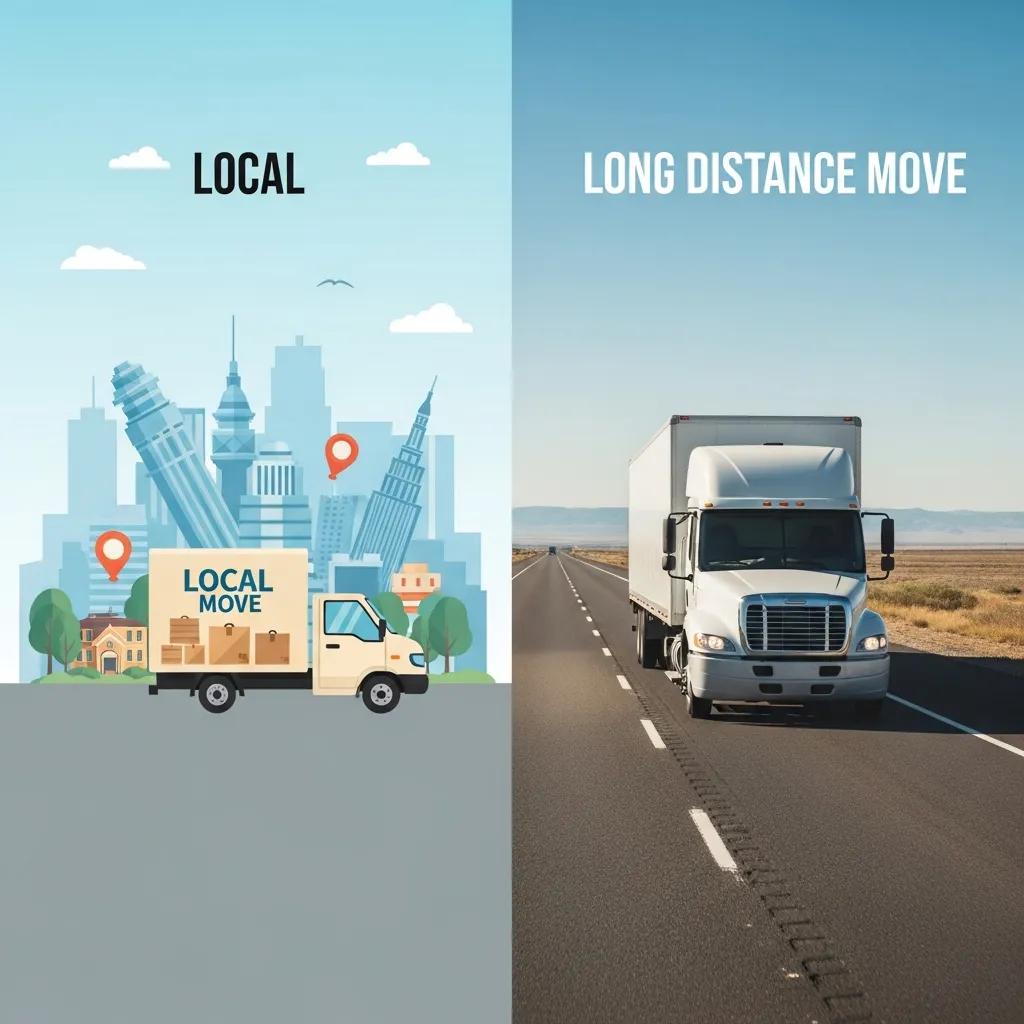
Local vs. long-distance moving is defined primarily by distance, regulatory boundaries, and the pricing model used. A local move typically stays within the same metro area or state and uses hourly pricing where time and crew size drive cost, while a long-distance or interstate move is priced by weight and distance and requires more logistics and documentation. The practical benefit of distinguishing them early is that it determines whether you book an hourly crew for a single-day job or plan weeks ahead for weight-based transit with dedicated coordination. Clear definitions also let you select the right insurance, packing level, and storage options to reduce risk and downtime.
The table below compares typical attributes side-by-side to make the difference scannable and actionable. This EAV-style comparison focuses on distance threshold, pricing model, typical duration, and common services so you can quickly classify your upcoming relocation and move to planning tasks.
Move Type
Key Attribute
Typical Value
Local Move
Distance threshold
Within same metro area or county; short-haul trips (usually under 50 miles)
Local Move
Pricing model
Hourly rates based on crew size and time
Local Move
Typical duration
Same-day to 1–2 days, often scheduled on short notice
This quick comparison shows how local moves favor speed and flexible scheduling, while the long-distance differences below explain additional complexity and why planning must change. Understanding this distinction leads directly into timeline and packing choices for each move type.
How Is Local Moving Defined and Priced?
A local move is defined by short travel distances within a city, metro area, or county and is usually priced on an hourly basis that accounts for labor, travel time, and any access challenges. The mechanism of hourly pricing means crew size, total load time, the number of trips, stair carries, and required equipment directly influence your final bill. The advantage of this model is cost transparency for short jobs and the ability to scale crew size to speed up a move; the downside is that delays or extended loading can increase cost. Knowing these mechanics helps you reduce price risk by preparing efficient packing, clearing hallways, and reserving loading zones before movers arrive.
Practical examples include in-town apartment moves or home-to-home transfers within Jacksonville neighborhoods. Because local moves often involve parking permits, elevators, or HOA requirements, handle those logistics early; this reduces unexpected time charges. This focus on access and timing naturally transitions to why long-distance moves require a different pricing and scheduling approach.
What Makes Long-Distance Moving Unique?
Long-distance moving is defined by crossing state lines and is typically priced by the weight of your shipment and the distance traveled, with additional accessorial fees and insurance options layered in. The mechanism behind weight-distance pricing is that carriers must estimate fuel, routing, weight handling, and terminal logistics, which produces flat or weight-based quotes rather than strictly hourly fees. The value of this model is predictable transit costs for substantial moves, and the need for an inventory, detailed bill of lading, and a dedicated move coordinator who manages pickup, transit windows, and delivery timing reduces surprises. For example, a cross-state move often involves scheduled loading windows, carrier consolidation, and possible storage-in-transit.
Because long-distance pricing depends on declared weight and services, accurate inventories and protective packing pay off by minimizing damage claims and accessorial charges. This leads into the next section on planning timelines, where scheduling horizons and coordination needs differ between local and long-distance moves.
How Do Planning Timelines Differ Between Local and Long-Distance Moves?
Planning timelines differ because local moves prioritize short lead times and day-of logistics, while long-distance moves require longer booking horizons, inventory accuracy, and carrier scheduling. Local moves can often be coordinated within 4–6 weeks with flexible dates, focusing on last-minute packing and parking/elevator reservations. Long-distance moves benefit from an 8–12 week or longer timeline to secure available carrier space, finalize weight estimates, and arrange any vehicle shipping or short-term storage. The practical benefit of adhering to these timelines is reduced cost risk, improved carrier availability, and fewer day-of delays.
Book movers and reserve date at least 4–6 weeks before a local move to secure crew and elevator/parking slots.
Schedule decluttering, donations, and essential packing tasks within the 4–6 week window to reduce volume and labor.
Confirm utility transfers and address changes one to two weeks before local move day to prevent service gaps.
Completing these items on the suggested timeline reduces last-minute time charges and streamlines the move day workflow. These local-focused steps set the stage for why long-distance moves must expand the timeline and planning depth further.
What Is the Typical Timeline for a Local Move?
A typical local move timeline centers around a 4–6 week planning window that compresses booking, decluttering, and packing into an efficient sequence. The mechanism here is simple: shorter transit time reduces the need for specialty packing but increases the importance of access logistics like parking, elevator reservations, and building move rules. The benefit is that many tasks can be completed quickly, but last-minute changes can create higher hourly charges on moving day. To control cost, begin by selecting a moving date, reserving necessary building or street access, and decluttering high-volume items that would otherwise increase crew time.
Practical tips include labeling boxes by room and creating a “first-night” kit to avoid frantic unpacking. Efficient local packing and clear pathways significantly reduce time on-site and therefore lower hourly bills. These efficiency gains naturally contrast with the longer planning requirements for interstate moves.
Why Does a Long-Distance Move Require More Time?
Long-distance moves require more time because carriers operate on scheduled lanes, weight-based pricing requires accurate inventories, and transit windows depend on routing and terminal capacity. The mechanism of carrier scheduling means you often need to book weeks or months ahead to secure a favorable pickup and delivery window, and a move coordinator is essential to synchronize dates, document requirements, and storage options. The benefit of extended planning is price predictability and reduced risk of delays or unexpected storage-in-transit; with accurate inventories you minimize accessorial charges and ensure proper insurance coverage. This extended lead time also allows for specialty packing and crating for fragile or high-value items that must endure prolonged transit.
Planning further ahead permits flexibility that reduces peak-season surcharges and ensures carriers can allocate the right equipment for your shipment. Properly timed preparation therefore pays dividends in both cost control and peace of mind.
What Are the Best Packing Strategies for Local vs. Long-Distance Moves?
Packing strategies differ because local moves favor speed and practicality while long-distance moves demand durability, inventory control, and professional protection. For local moves you can rely on standard boxes, basic cushioning, and a room-by-room labeling system to speed loading and unloading. For long-distance moves, superior cushioning, crating, shrink-wrapping, and photo-documented inventories reduce transit damage and simplify claims. The main advantage of tailoring packing to your move type is protecting value: appropriate packing reduces loss and lowers insurance exposure during transit.
The table below provides item-level packing recommendations to help you choose DIY vs. professional packing for each category. Use this EAV-style table to decide which items to box yourself and which to assign to professional packers or specialty crating.
Item Category
Local Packing Recommendation
Long-Distance Packing Recommendation
Fragile Items
Use standard boxes and bubble wrap; label clearly
Use double-boxing, professional cushioning, and crating for high-value pieces
Electronics
Pack with original boxes if available and basic cushioning
Inventory, label, and secure in heavy-duty boxes with anti-static packing
Furniture
Disassemble when possible; protect corners with blankets
Crate or shrink-wrap heavy pieces and document condition with photos
This comparison highlights when professional services add value and when DIY packing keeps costs low. Understanding these distinctions informs whether to purchase full-service packing, partial packing, or specialized crating for particular items.
How Should You Pack for a Local Move?
For a local move, packing should prioritize speed, accessibility, and clear labeling so movers can load and unload efficiently. The mechanism is simple: shorter transit times mean standard packing materials and good organization deliver strong protection without the need for heavy-duty crating. The benefit is faster move-day operations and lower packing costs when you focus on room-by-room packing, clear labeling, and segregating items needed immediately after arrival. Start with a prioritized list: essentials, kitchen basics, bedding, and critical electronics packed last for easy access.
Label boxes with room and basic contents and keep an essentials box for the first night to avoid scrambling after arrival. These pragmatic steps reduce on-site labor and transition smoothly into decisions about whether to hire professional packers for selective items or handle all packing yourself.
What Packing Precautions Are Needed for Long-Distance Moves?
Long-distance packing precautions center on durability, documentation, and insurance alignment to protect items through extended transit. The mechanism involves using heavier materials, professional cushioning, inventory tagging, and photo documentation so carriers and you can verify condition at pickup and delivery. The practical benefit is a lower risk of damage, clearer claims processes, and smoother handling through transfer points. For fragile or high-value pieces, professional crating or palletizing preserves structure and reduces vibration damage during long-haul transport.
Documenting each packed item and obtaining a move coordinator’s confirmation of inventory supports any future claims and clarifies valuation coverage. These precautions increase upfront cost but significantly reduce the chance of loss or disputes once your shipment is en route.
How Do Costs Compare Between Local and Long-Distance Moving?
Local and long-distance moving costs are driven by different primary factors: time and labor for local moves versus weight and distance for long-distance moves, with accessorial fees and insurance affecting both. Local costs rise with crew size, hours on site, and access difficulties; long-distance costs increase with weight, mileage, fuel surcharges, and terminal-handling fees. The benefit of understanding these drivers is that you can take concrete steps—decluttering, scheduling off-peak dates, or consolidating shipments—to manage expenses. Transparent pricing knowledge also helps you interpret estimates and compare providers effectively.
Below is a cost-factor EAV table that juxtaposes how common cost influencers affect each move type so you can see which levers to use when budgeting. After the table, there are practical tips to control costs and a concise Skinner-specific note about their transparent pricing models and how to request a free estimate.
Cost Factor
Affects Local Move
Affects Long-Distance Move
Hourly labor
High — main driver of local costs
Low — less relevant; only for packing or loading services
Distance/mileage
Low — short travel times
High — primary cost driver for interstate moves
Weight of shipment
Moderate — affects crew time
High — central to weight-based pricing
Insurance/valuation
Optional add-ons
Critical — determines claim value across state lines
This breakdown shows where to focus cost-control efforts: reduce hours for local moves, and reduce weight or adjust services for long-distance moves. Skinner Moving & Storage offers transparent hourly pricing for local jobs and flat or weight-based pricing for long-distance moves, and customers can request free estimates to get a clear comparison before booking.
What Factors Affect Local Moving Costs?
Local moving costs are primarily influenced by crew size, total hours worked, travel and waiting time, and access issues such as stairs or long carries. The mechanism here is that hourly billing multiplies by the total time required on site, so faster loading/unloading and better organization materially reduce bills. The main benefit of controlling these elements is predictable pricing and less chance of surprise charges. You can lower costs by decluttering ahead of time, disassembling furniture, and ensuring clear access to loading zones and elevators.
Other add-ons like packing services or disassembly increase local move costs but are optional; weigh convenience against budget. These factors naturally contrast with long-distance cost drivers, where weight and distance dominate the estimate.
What Influences Long-Distance Moving Expenses?
Long-distance moving expenses stem from the shipment’s total weight, distance traveled, accessorial fees (stairs, shuttle service, storage-in-transit), and chosen valuation coverage. The mechanism of weight-based pricing requires accurate inventory and proper packing to prevent re-weighing disputes; the benefit is a clearer per-pound cost structure once weight is known. Accessorial charges and temporary storage can add significant line items, so bundling services or scheduling direct pickup-to-delivery windows reduces fees. Insurance options such as declared value or full value protection alter liability limits and claim recoupment.
Understanding these elements helps you evaluate long-distance quotes and choose service levels that balance protection and price. Getting a detailed written estimate and checking which fees are included prevents unexpected charges at delivery.
What Legal and Logistical Considerations Impact Local vs. Long-Distance Moves?
Legal and logistical considerations diverge because local moves are governed by municipal and state rules—parking permits, HOA policies, elevator reservations—while long-distance moves must comply with federal interstate regulations and carrier licensing. Local logistics often require coordination with building managers or city authorities to reserve loading zones and avoid fines, whereas long-distance moves require proper documentation, bill of lading procedures, and adherence to federal mover rules. The advantage of understanding both frameworks is avoiding costly delays, citations, and insurance disputes by preparing required paperwork and reservations in advance.
This section outlines Jacksonville-specific municipal steps for local moves and summarizes federal interstate mover obligations under national oversight so you understand both paths and can act accordingly. These regulatory distinctions determine whether you need a local permit or a carrier-compliant binding estimate.
Regulatory/Logistics Item
Local Moves (Jacksonville)
Long-Distance Moves (Interstate/Federal)
Parking/loading permits
Often required; reserve with city or HOA
Generally not required for transit, but pickup/delivery access must be arranged
Building/elevator scheduling
Reserve with property manager; follow HOA rules
Coordinate delivery windows and terminal access with carrier
Consumer protections
Local ordinances and contract terms apply
Federal oversight mandates estimates, bill of lading, and claims process
This table clarifies which authorities and procedures apply so you can secure permits, schedule elevators, and verify carrier licensing before move day. Preparing these items reduces last-minute obstacles and supports smooth claims handling if needed.
What Regulations Apply to Local Moves in Jacksonville, FL?
Local moves in Jacksonville require attention to city parking rules, building management policies, and possible HOA restrictions that affect loading zone use and elevator scheduling. The mechanism is practical: reserving street parking or loading permits and coordinating elevator windows prevents citations and reduces move-day delays. The benefit of early coordination is minimized hourly charges and smoother crew operation when the loading area is ready and unobstructed. Check with building management and neighborhood associations about move-in/move-out protocols and document any permissions received.
Advance communication with property managers and neighbors also prevents conflicts and helps you select appropriate truck placement. These local steps lead into federal-level regulatory requirements when moves cross state lines.
How Do Federal Regulations Affect Long-Distance Moves?
Federal regulations govern interstate moves and require that carriers are properly licensed, provide written estimates, and issue a bill of lading that outlines your rights and responsibilities. The mechanism of federal oversight ensures standardized consumer protections such as disclosure of binding vs. non-binding estimates and clear claims procedures for loss or damage. The practical benefit is greater transparency and the ability to compare carriers based on consistent documentation. Understanding estimate types, valuation options, and the bill of lading reduces disputes and clarifies liability during long-haul transit.
Ask for and review a written estimate and bill of lading before shipment to confirm services and coverage. These federal rules support fair resolution if claims or delivery issues arise on long-distance moves.
Why Choose Skinner Moving & Storage for Your Local or Long-Distance Move?
Skinner Moving & Storage combines local Jacksonville knowledge with long-distance coordination services to reduce risk and simplify relocation for families and businesses. Their family-owned structure and crew experience—backed by a high review rating and a history of completing thousands of moves annually—provide operational reliability and practical knowledge of Jacksonville-specific logistics. The mechanism that supports this reliability is a dedicated move coordinator for long-distance jobs, transparent pricing models (hourly for local, flat/weight-based for long distance), and optional packing and storage services that adapt to your needs. The benefit to customers is a single point of contact, consistent communication, and the ability to bundle packing and climate-controlled storage when needed.
Skinner also offers full and partial packing services, short- and long-term storage options, vehicle transportation, and insurance guidance to support different move complexities. Their transparent pricing policy makes it easier to compare local hourly estimates and long-distance weight-based quotes, and they provide free estimates so you can plan with confidence. If you want a personalized plan that matches your timeline and budget, request a free, written estimate to compare services and determine the optimal scope for your move.
How Does Skinner Moving Ensure Expert Handling for All Moves?
Skinner emphasizes crew training, professional packing materials, and quality-control protocols to protect customer belongings during both local and long-distance moves. The mechanism for expert handling includes experienced crews who use standard and specialty packing materials, proper lift and rigging equipment, and condition documentation for high-value items. The value of these practices is fewer damages, clearer claims handling, and faster on-site performance that reduces hourly charges for local moves and limits accessorial fees for long-distance shipments. Their operational process includes move planning, inventory verification, and a coordinator who oversees execution and communication.
These procedures make it easier for customers to trust move outcomes and to plan for storage, vehicle transport, or specialty packing when needed. This operational reliability is an asset when timing and documentation matter most.
What Support and Services Does Skinner Provide for Stress-Free Moving?
Skinner provides a range of services—local moving, long-distance moving, full and partial packing, climate-controlled storage, commercial relocation, and vehicle transportation—that address common stress points in relocation. The mechanism is service bundling: by combining packing, moving, storage, and vehicle transport, Skinner helps customers manage logistics through a single provider, reducing coordination burden and miscommunication. The practical benefit is a simplified timeline, one estimate that reflects combined services, and a dedicated coordinator for complex long-distance moves who manages pickup, transit, and delivery windows. Customers can also obtain free estimates to evaluate service combinations and pricing before booking.
For specific scenarios—such as downsizing, business relocation, or moves requiring temporary storage—the ability to mix packing options and storage terms reduces downtime and streamlines settling in. Requesting a free estimate from Skinner offers a clear next step to compare services and plan a stress-minimized relocation.
Start Early: Book an initial estimate and coordinator as soon as you know your move date.
Document Everything: Prepare inventories and photos for high-value items before pickup.
Bundle Services When Needed: Combine packing, storage, and transport to simplify logistics.
These action steps are practical ways to apply the guidance above and engage support that turns planning into results. Ending your planning with a written estimate and clear service scope reduces surprises and keeps your move on schedule.
Frequently Asked Questions
What are the key differences in insurance options for local and long-distance moves?
Insurance options for local and long-distance moves vary significantly due to the nature of the transit. Local moves often offer basic liability coverage, which may not fully protect your belongings in case of damage. In contrast, long-distance moves typically provide more comprehensive insurance options, including full value protection, which covers the total value of your items. Understanding these differences is crucial for selecting the right coverage that aligns with your needs and ensures peace of mind during your move.
How can I effectively declutter before my move?
Decluttering before a move is essential for reducing costs and simplifying the packing process. Start by categorizing your belongings into keep, donate, and discard piles. Tackle one room at a time, and set a timeline to avoid last-minute rushes. Consider hosting a garage sale or using online marketplaces to sell items you no longer need. Additionally, donating to local charities can provide a sense of fulfillment while helping others. This proactive approach not only lightens your load but also makes unpacking at your new home easier.
What should I do if my moving date changes unexpectedly?
If your moving date changes unexpectedly, the first step is to contact your moving company as soon as possible. Most companies have policies in place for rescheduling, but availability may vary. Be prepared to discuss alternative dates and any potential fees associated with the change. Additionally, inform any relevant parties, such as utility providers and your new landlord, about the date change to avoid service interruptions. Staying organized and proactive can help minimize stress during this transition.
Are there any specific packing materials recommended for long-distance moves?
For long-distance moves, using high-quality packing materials is crucial to protect your belongings during transit. Recommended materials include sturdy, double-walled boxes, bubble wrap, packing peanuts, and heavy-duty tape. For fragile items, consider using specialized packing solutions like crating or custom boxes. Additionally, labeling boxes clearly and creating an inventory list can help ensure that everything arrives safely and is easy to locate upon delivery. Investing in proper packing materials can significantly reduce the risk of damage during long-haul transport.
What are the common pitfalls to avoid when planning a long-distance move?
When planning a long-distance move, several common pitfalls can lead to stress and unexpected costs. One major mistake is failing to book your moving company well in advance, which can result in limited availability and higher prices. Additionally, neglecting to create a detailed inventory can complicate the moving process and lead to lost items. Lastly, underestimating the time required for packing and logistics can create last-minute chaos. To avoid these issues, start planning early, stay organized, and communicate clearly with your moving company.
How can I ensure a smooth transition into my new home after the move?
To ensure a smooth transition into your new home, start by creating a detailed plan for unpacking and organizing your belongings. Prioritize essential items and set up key areas like the kitchen and bedrooms first. Familiarize yourself with the layout of your new home and any community amenities. Additionally, take the time to introduce yourself to neighbors and explore the neighborhood to help you feel more at home. Finally, consider setting up utilities and services ahead of time to avoid disruptions as you settle in.
Conclusion
Understanding the differences between local and long-distance moving is essential for a successful relocation, as each type requires distinct planning, budgeting, and packing strategies. By recognizing these key distinctions, you can streamline your moving process, reduce costs, and minimize stress. For personalized support tailored to your specific needs, consider reaching out to Skinner Moving & Storage for a free estimate. Take the first step towards a smooth move by exploring our comprehensive services today.
Packing services in Jacksonville, FL, offer friendly, reliable help for stress-free moving. Families can trust professional teams to make relocating easier.
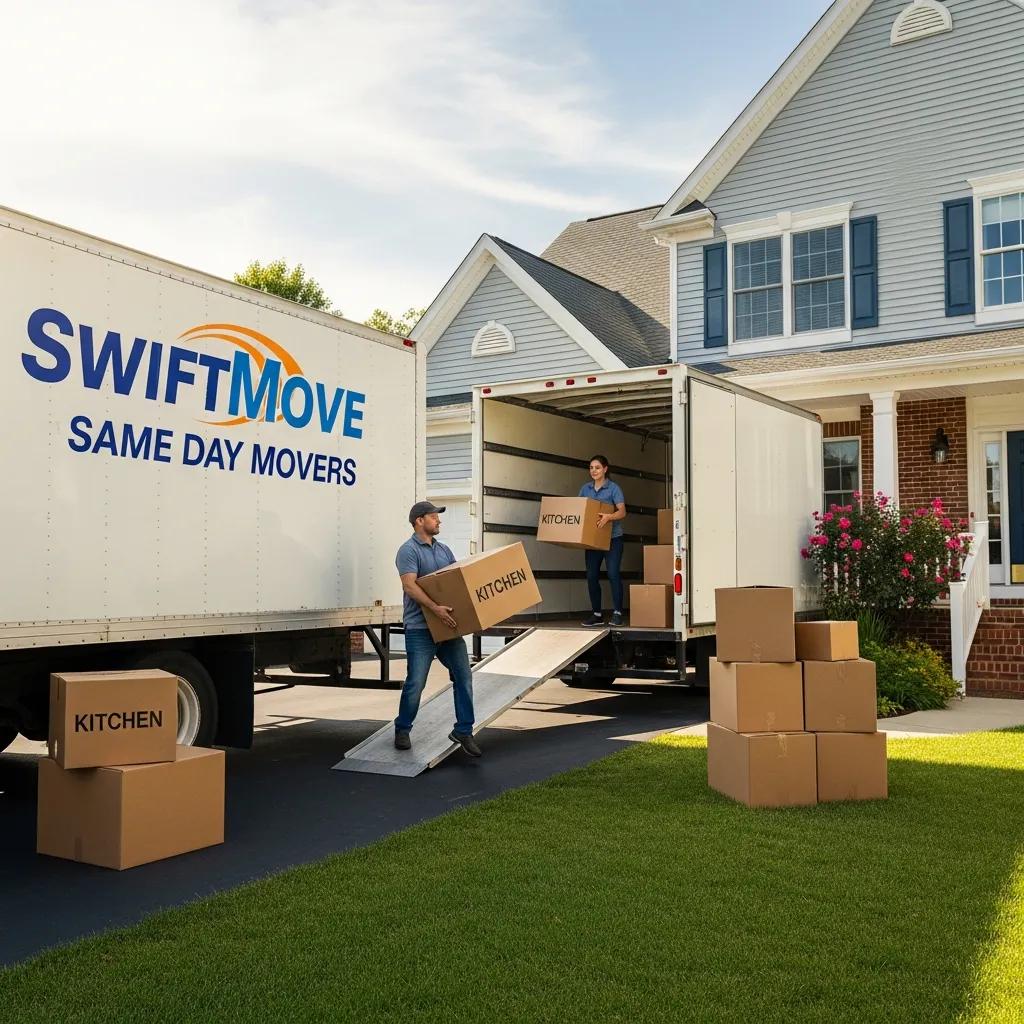
Need quick and reliable same day movers in Jacksonville, FL? Trust our family-oriented team for seamless, stress-free moving experiences tailored to every need.
Experience a smooth, stress-free move with Callahan FL Movers. Their reliable, family-oriented team prioritizes customer satisfaction every step of the way.
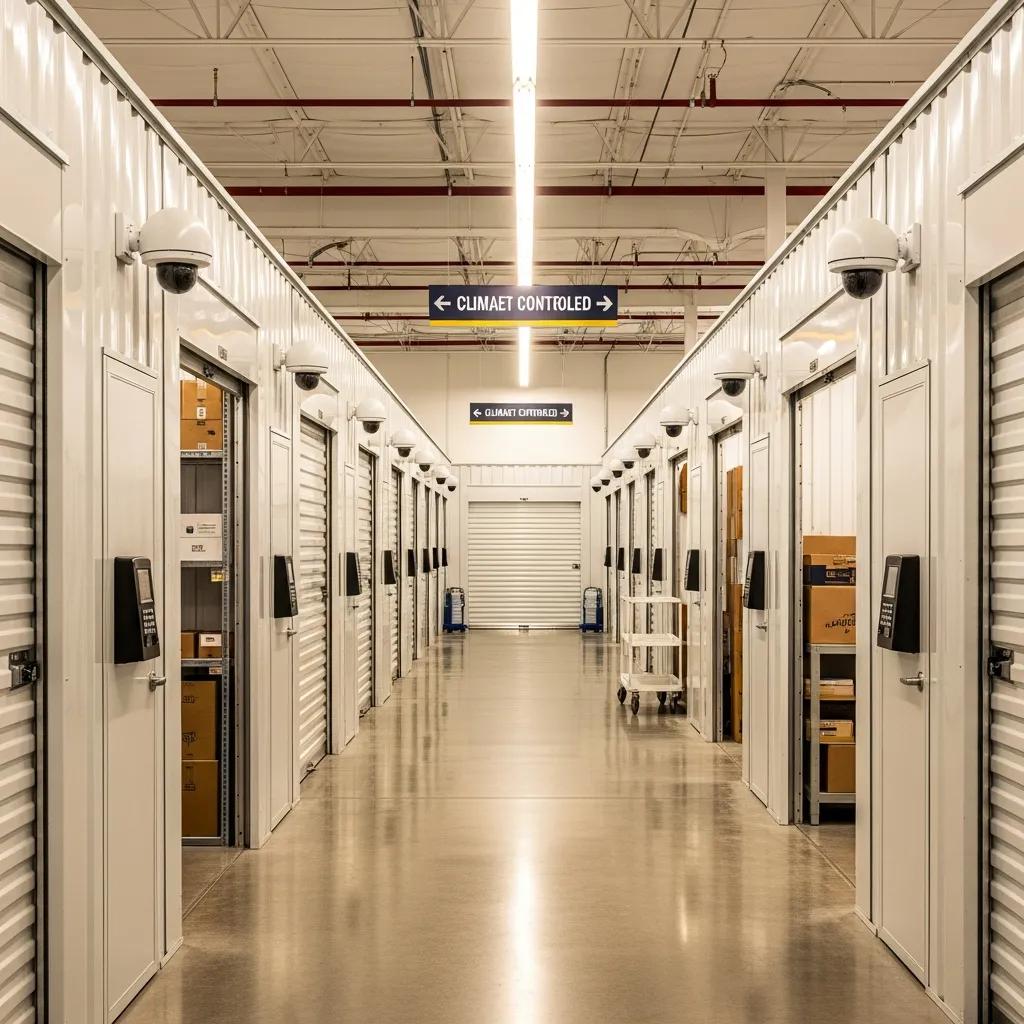
Find trustworthy Arlington storage options tailored for your family’s needs. Enjoy peace of mind with secure spaces that prioritize safety and convenience.
Comparing Costs Between Local and Long-Distance Moves
When budgeting for a move, it's important to understand the key cost factors that differentiate local and long-distance relocations. Local moving costs are primarily driven by hourly labor rates, crew size, and access challenges, while long-distance expenses are heavily influenced by weight, mileage, and accessorial fees.
By providing clear cost breakdowns and considering factors like decluttering and scheduling, Skinner Moving & Storage helps customers develop accurate budgets and manage their moving expenses effectively, whether they're relocating across town or across state lines.
Navigating Regulatory Requirements for Local and Interstate Moves
The legal and logistical considerations for local and long-distance moves can vary significantly. Local moves are typically governed by municipal and state rules, such as parking permits and HOA policies, while long-distance interstate relocations must comply with federal regulations and carrier licensing requirements.
Understanding the applicable authorities and procedures, from securing permits to verifying carrier documentation, is crucial to ensure a smooth and compliant move, whether you're relocating within Jacksonville or across state lines.
Packing Strategies for Local vs. Long-Distance Moves
The packing approach for a local move prioritizes speed and practicality, with the use of standard boxes and basic cushioning. In contrast, long-distance moves require more durable packing methods, such as crating and professional cushioning, to protect items during extended transit.
By tailoring packing strategies to the unique needs of each move type, Skinner Moving & Storage ensures that customer belongings are securely transported, whether the destination is across town or across the country.
Streamlining the Moving Process with Comprehensive Services
Skinner Moving & Storage offers a range of services that can be bundled to simplify the moving process, whether you're planning a local or long-distance relocation. From packing and storage to vehicle transportation, the company's service offerings can be tailored to your specific needs, reducing the coordination burden and ensuring a stress-free move.
By providing a single point of contact and a comprehensive solution, Skinner Moving & Storage helps customers navigate the complexities of both local and long-distance moves, ensuring a smooth and efficient transition to their new home or office.
****
local and long distance
****
Comparing Costs Between Local and Long-Distance Moves
When budgeting for a move, it's important to understand the key cost factors that differentiate local and long-distance relocations. Local moving costs are primarily driven by hourly labor rates, crew size, and access challenges, while long-distance expenses are heavily influenced by weight, mileage, and accessorial fees.
By providing clear cost breakdowns and considering factors like decluttering and scheduling, Skinner Moving & Storage helps customers develop accurate budgets and manage their moving expenses effectively, whether they're relocating across town or across state lines.
Navigating Regulatory Requirements for Local and Interstate Moves
The legal and logistical considerations for local and long-distance moves can vary significantly. Local moves are typically governed by municipal and state rules, such as parking permits and HOA policies, while long-distance interstate relocations must comply with federal regulations and carrier licensing requirements.
Understanding the applicable authorities and procedures, from securing permits to verifying carrier documentation, is crucial to ensure a smooth and compliant move, whether you're relocating within Jacksonville or across state lines.
Packing Strategies for Local vs. Long-Distance Moves
The packing approach for a local move prioritizes speed and practicality, with the use of standard boxes and basic cushioning. In contrast, long-distance moves require more durable packing methods, such as crating and professional cushioning, to protect items during extended transit.
By tailoring packing strategies to the unique needs of each move type, Skinner Moving & Storage ensures that customer belongings are securely transported, whether the destination is across town or across the country.
Streamlining the Moving Process with Comprehensive Services
Skinner Moving & Storage offers a range of services that can be bundled to simplify the moving process, whether you're planning a local or long-distance relocation. From packing and storage to vehicle transportation, the company's service offerings can be tailored to your specific needs, reducing the coordination burden and ensuring a stress-free move.
By providing a single point of contact and a comprehensive solution, Skinner Moving & Storage helps customers navigate the complexities of both local and long-distance moves, ensuring a smooth and efficient transition to their new home or office.